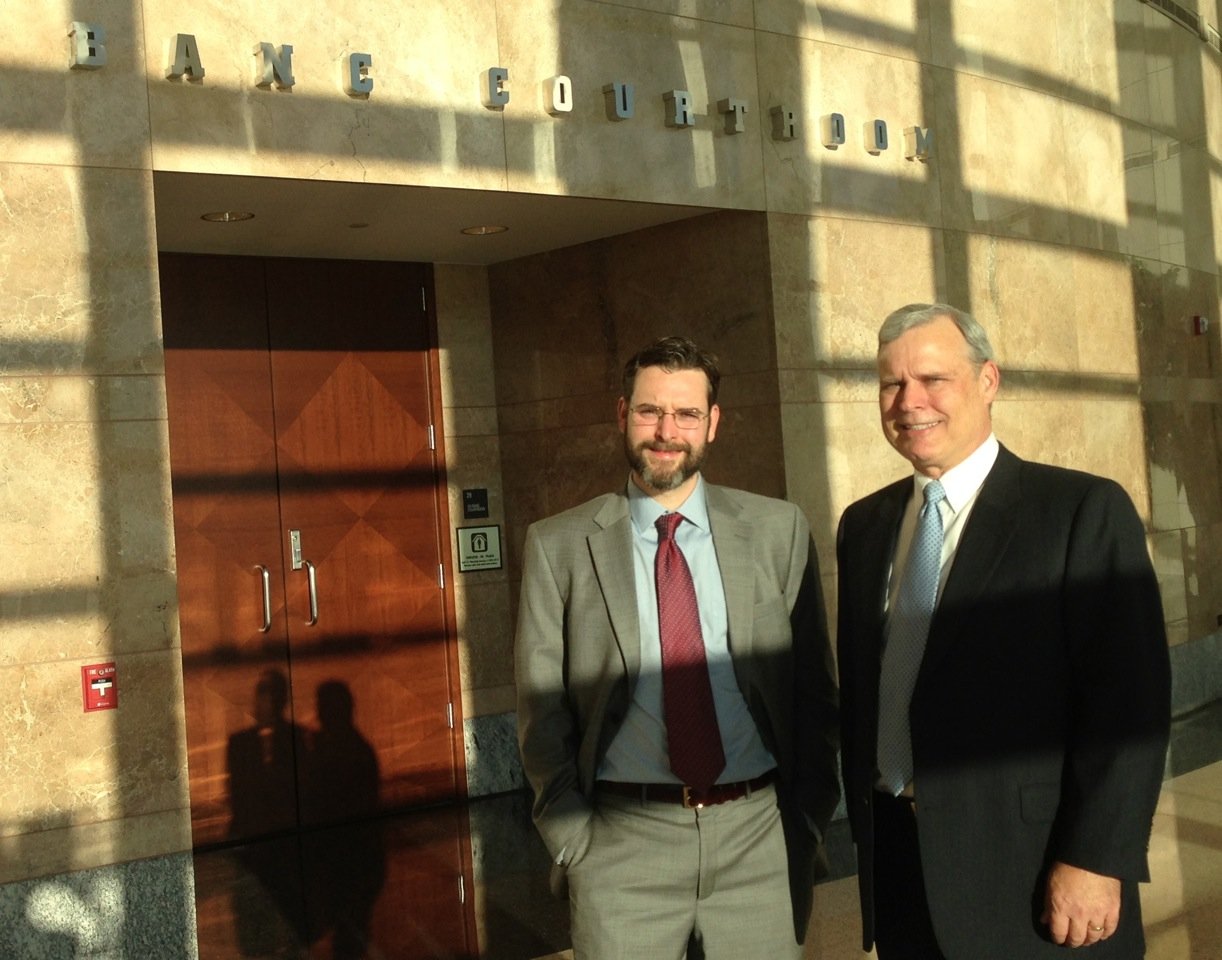
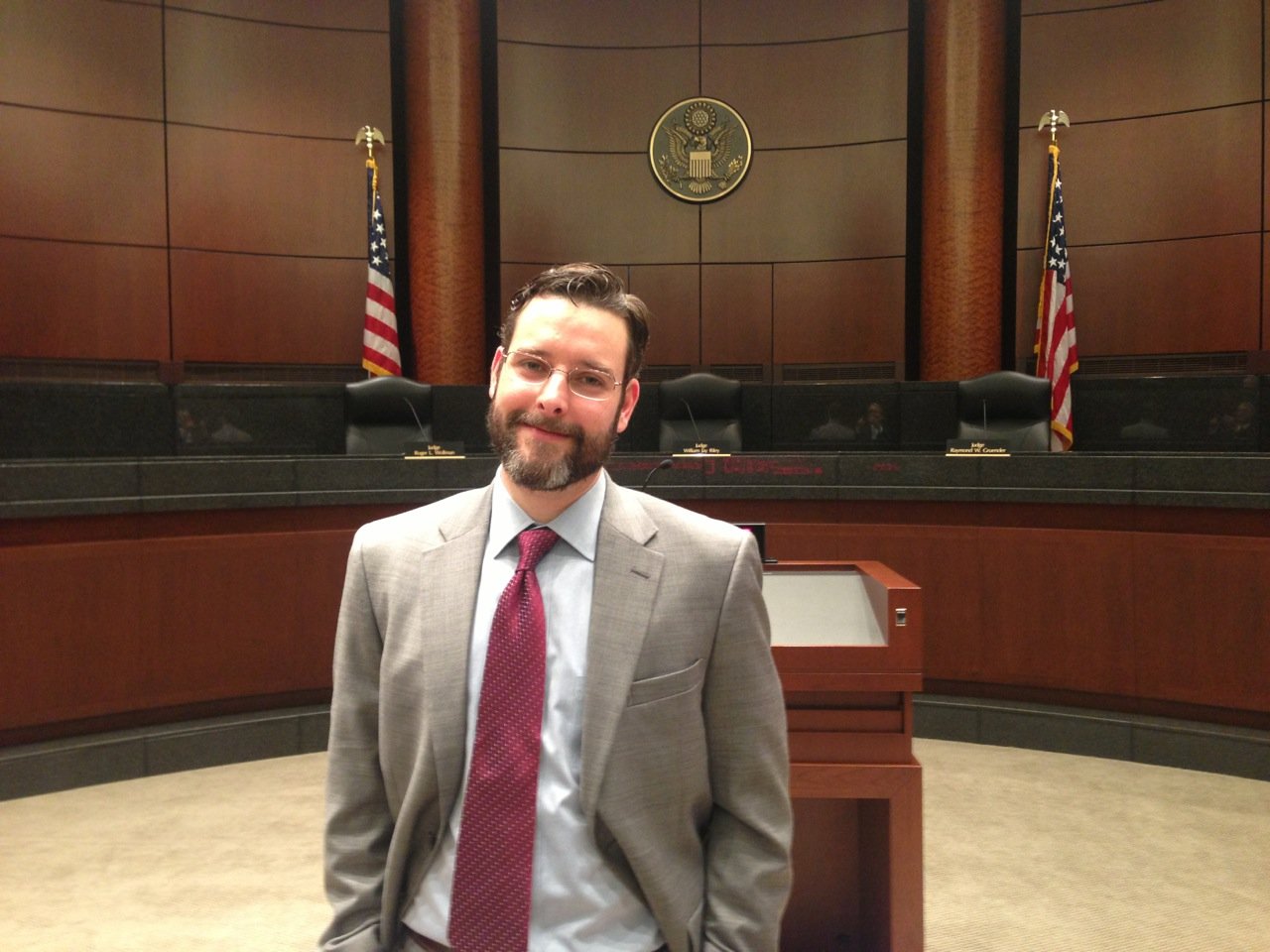
The Arkansas Law Review published an article in its Winter 2012 edition authored by Nathan Chaney. The article is entitled "A Survey of Bad Faith Insurance Tort Cases in Arkansas" and contains a summary of hundreds of bad faith cases decided by Arkansas state and federal courts.
Bad faith cases are unique to insurance companies. All contracts have an 'implied duty of good faith,' but the only time someone can sue for a breach of this duty is when an insurance company does the breaching. Since insurance companies usually dictate policy terms, insurance policies are considered 'contracts of adhesion' that consumers can either sign or reject as-is, and cannot negotiate terms. The consumer's absence of an ability to negotiate is why insurers are held to a higher 'bad faith' standard.
There are two types of bad faith. The first type is called 'third party bad faith.' When an insurance company must defend someone (such as when the policyholder causes a wreck), the insurance company owes a 'fiduciary duty' (the highest legal duty owed by one to another) to the insured. That duty requires the insurance company to settle the case if it has an opportunity to do so and settlement would be reasonable under the circumstances. If it does not settle in this situation, it can be liable for negligent refusal to settle or outright bad faith.
The other type of bad faith is 'first party bad faith.' That involves a situation where an insured makes a claim with the insurance company and the insurance company treats the insured with ill will, hatred, or outright malice. First party bad faith usually arises in one of two circumstances: (1) the insurance company denies the claim on the merits without conducting a proper investigation, or (2) the insurance denies the claim despite facts in the file showing that the claim should be paid.
In a nutshell, insurance companies are supposed to give insureds the benefit of the doubt in the absence of hard evidence that they shouldn't. When they don't, they commit bad faith.
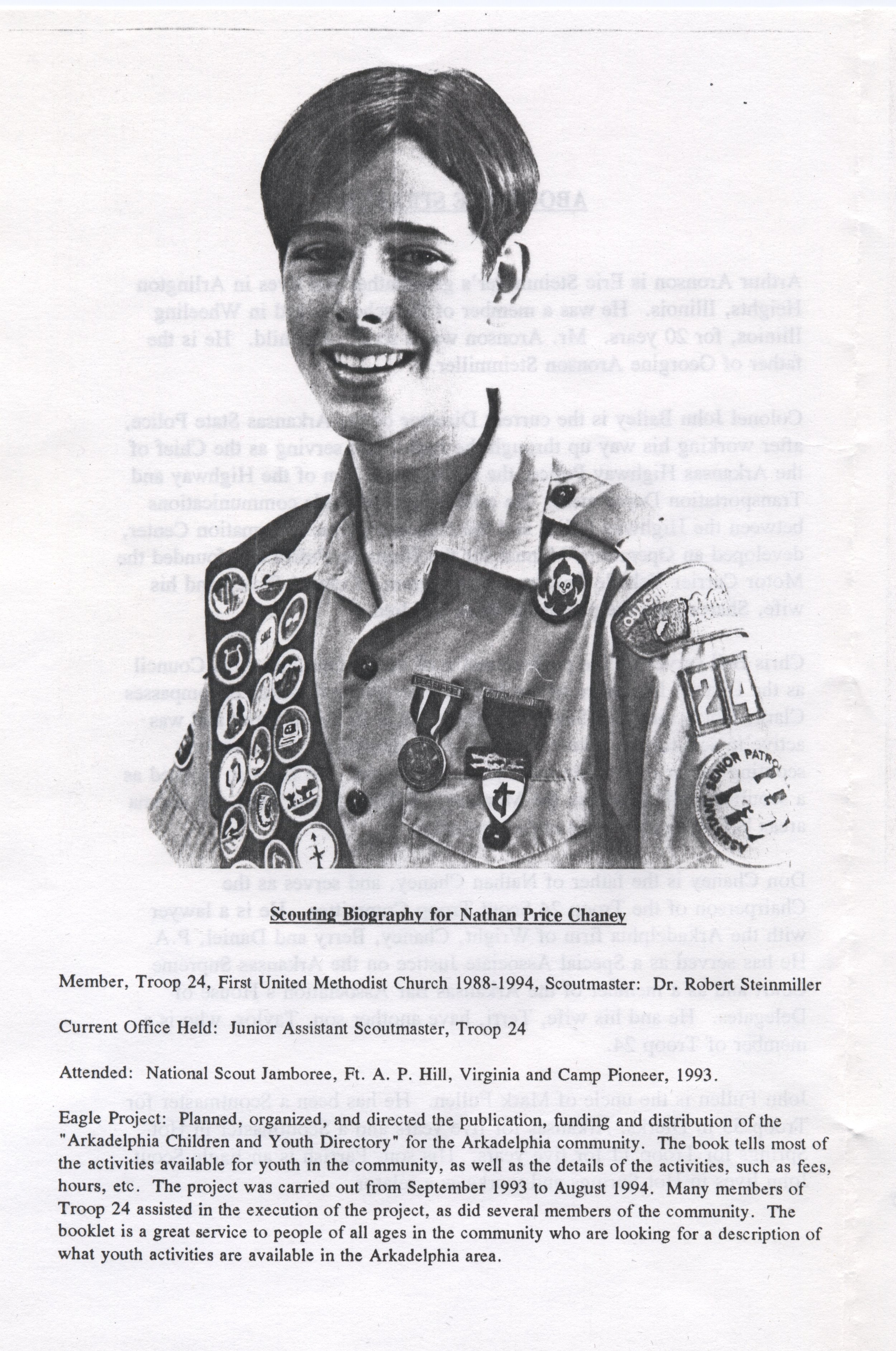
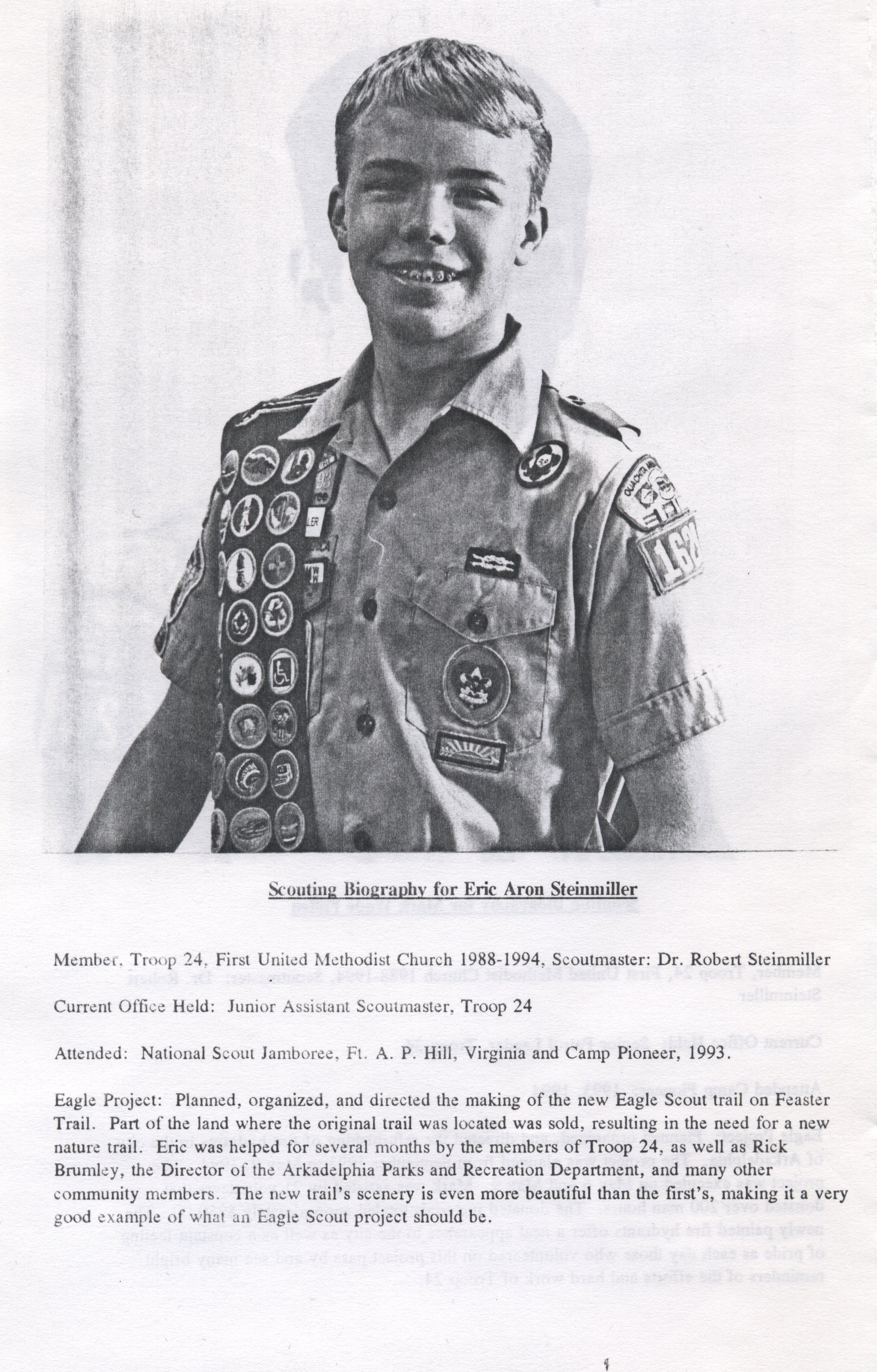
As a Boy Scout, orienteering was one of the merit badges I earned before I became an Eagle Scout. It involved my scout buddies and me using topographic maps to plot cross-country courses. Several of these trips took place walking through the pine forests of DeGray Lake, and we had to avoid getting lost on the wrong fingers of the lake. Even with our best efforts at reading the map, a time or two we wound up at the end of one of the wrong fingers. While we had a map, our twelve-year-old selves couldn't always translate what was on the map into what we saw in the dense forest in front of us.
On a later trip to rehash what we'd learned, our scoutmaster guided us along the route we were supposed to have taken. (He even gave us one opportunity to drop our packs. Knowing that he was a prankster, no one took him up on it — we were right not to, because we took a different route back). When we got to the spot where we took a wrong turn and wound up on the wrong finger of the lake, he explained to us how we'd gone wrong with our mapreading. In our case, it was better to have a guide who'd already been down this path, rather than a map drawn on a piece of paper to try and guide ourselves.
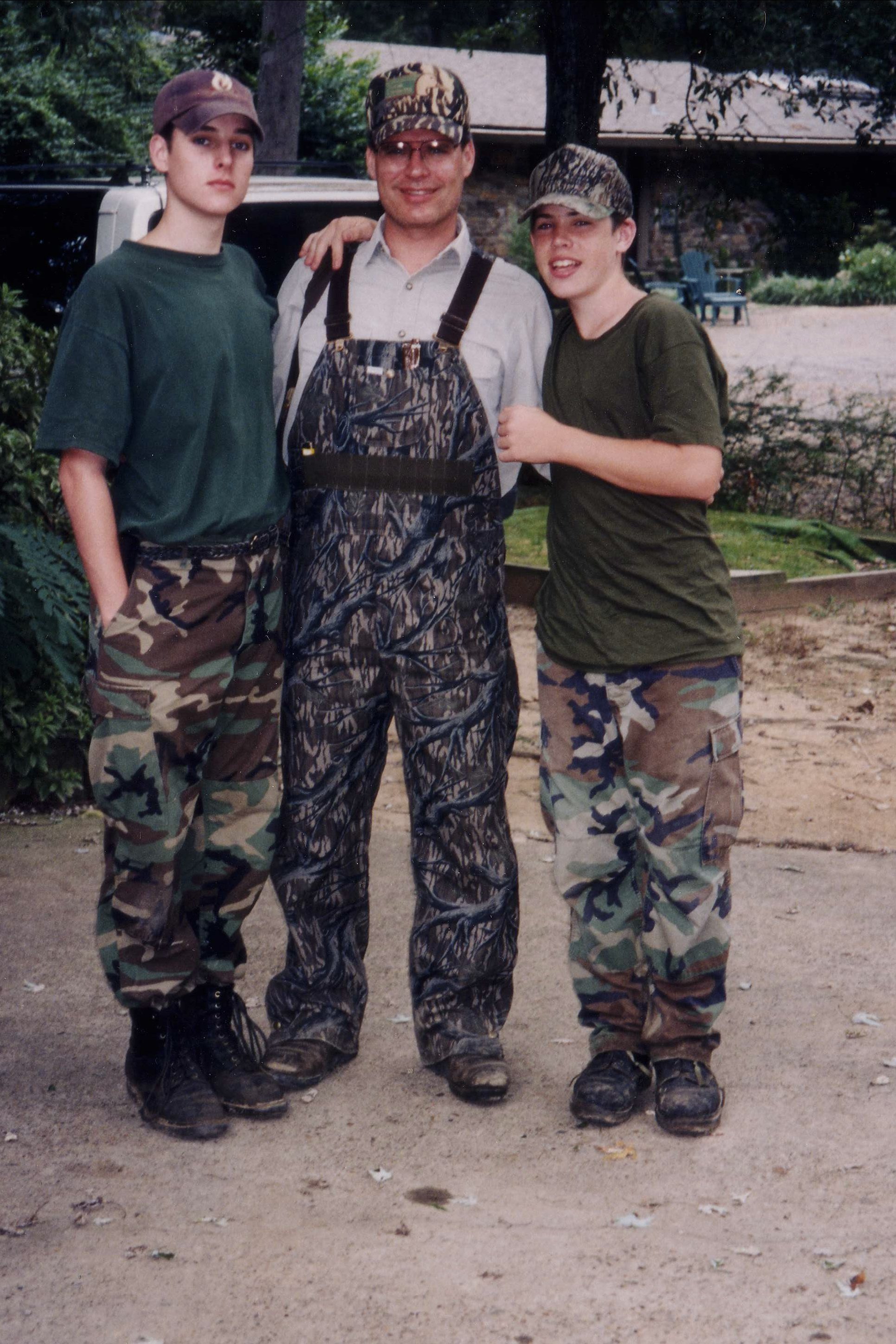
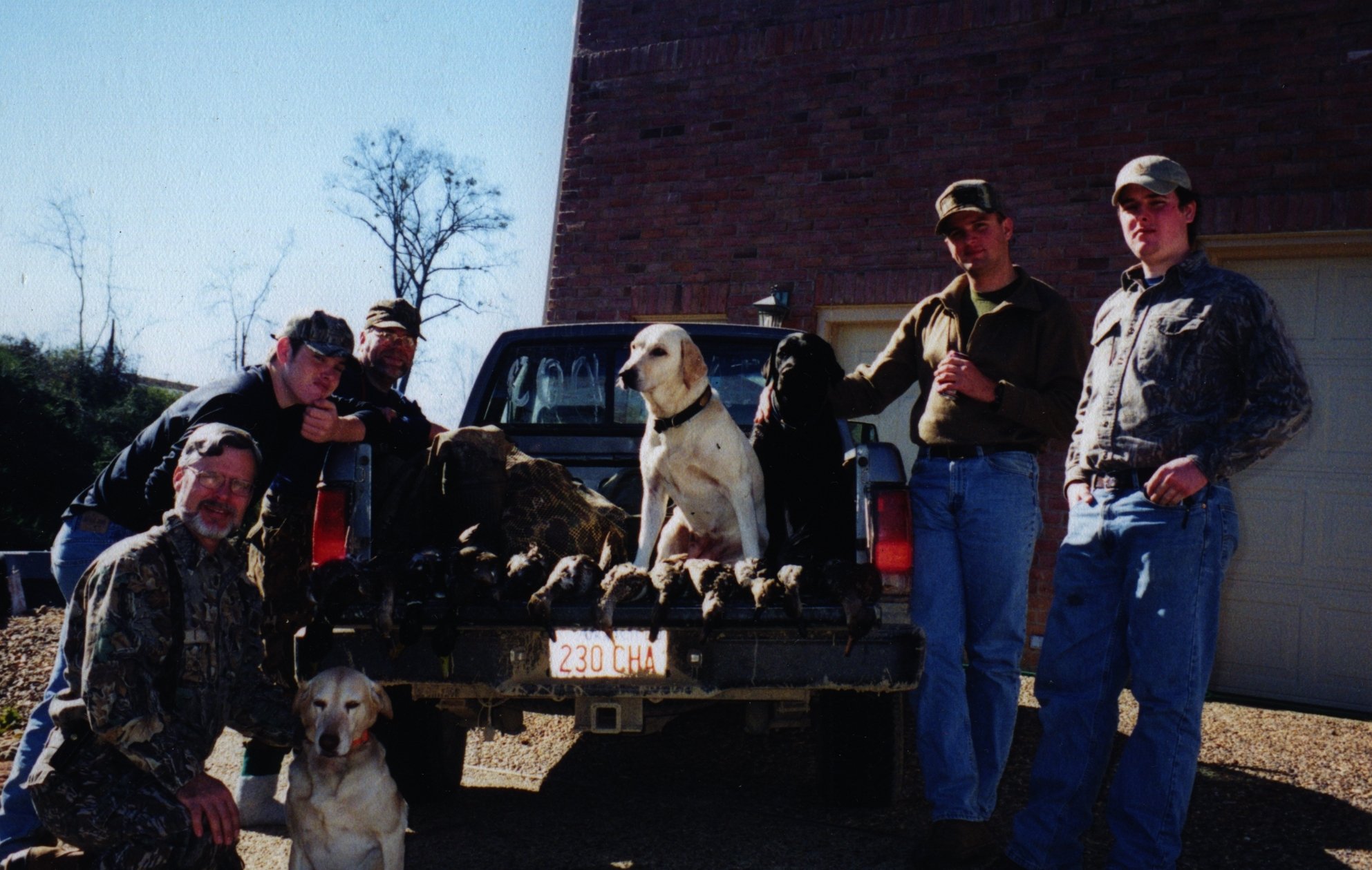
Even later in life, I continue to be an outdoorsman. When I lived in Northwest Arkansas, my favorite place to go was the Kings River (it still is, when I get up to that part of the country). One of the most breathtaking sites on this river is Kings River Falls. The Arkansas Natural Heritage Commission has even established a Kings River Falls Natural Area in Madison County near St. Paul for ready access to the falls.
The map above shows the location of Kings River Falls, but you really can't tell anything about the beauty of the place from the map alone. You just know where it is. To see the real beauty, you have to get out into the territory and walk down the riverbank next to the walls built by Scottish settlers from rocks pulled from the jagged bluffs of the Ozark Mountains. You have to experience the rushing water for yourselves. I've done this on numerous occasions, and I'll share one with you below:
The map of Kings River Falls tells nothing about the icy-cold water numbing my toes, the freight-train roar of 10,000 cubic feet of water cascading through a tiny gorge each second, the sight of man-sized logs tossing about in 6-foot standing waves. Nor does a map tell anything about the most vivid memory I have: the wonderful scent of pure, clean, rich, fresh earth. I had to be in the territory to experience all these things.
Those early outdoor lessons also help in the practice of law. Most times when our personal injury cases go to court, a jury must chose between two stories: the treating doctor's story or the professional defense witness' story. The treating doctor will have taken a history, performed a medical examination, reviewed pertinent records, evaluated the impact of any preexisting conditions, assessed the patient's complaints of pain, and actually treated the patient over several years. In contrast, the professional defense witness often will have only read records for an hour or two.
The treating doctor is a guide who knows the territory. The professional defense witness is just some guy who has a map and — without having seen the territory — could very well be lost in the woods.
I've got a room in my house that is somewhat chilly around the windows. To minimize the heat loss during the winter, I recently installed some Roman shades over each window frame for (hopefully) added insulation. In reading the directions, I noticed that blind manufacturers now suggest trimming the pull cords as short as possible so children can't easily reach the cords. They also suggest separating each one of the pull cords from all the others so the cords won't form loops that a child could get his or her head stuck in.
Since I've got small children, I followed the recommendations of the manufacturer and trimmed the cords. I looked around the house at other blinds and noticed that older blinds in the house don't have separate pull cords — instead, they are all knotted together at the bottom. This poses the danger the manufacturer of my new Roman shade warned about, so I trimmed the remaining blinds in the house and separated the cords.
I hope this little safety tip helps those of you with children and grandchildren.
In a decision handed down on December 8, 2011, the Arkansas Supreme Court struck down the punitive damages cap found in the Civil Justice Reform Act of 2003. The Court ruled that this legislative enactment directly violated a separate part of the Arkansas Constitution. UPDATE: Watch coverage of this ruling here:
The case arose out of two genetically modified strands of rice that contaminated the US long-grain rice supply. Arkansas is the leading producer of long-grain rice, and 52% long grain rice grown in the US was exported to other countries prior to 2006. The USDA had not granted regulatory approval of genetically modified rice, and no foreign government had authorized its use for human consumption. The world wide reaction to the contamination of the US long-grain rice supply was profoundly negative, which resulted in the decrease of in exports of 622,972 metric tons of American rice to other countries from 2005-2008.
On April 15, 2010, a Lonoke County jury found that the producer of the genetically modified rice, Bayer Cropscience, was negligent in allowing the genetically modified rice to contaminate the American rice supply. The jury awarded a group of Arkansas rice farmers a total of $8 million in compensatory damages, and $42 million in punitive damages. Bayer appealed to the Arkansas Supreme Court, arguing that the punitive damages cap was constitutional. The Supreme Court disagreed, and held that the trial court was correct because the cap "limit[ed] the amount to be recovered for injuries resulting in ... injuries to persons or property" in violation of the Arkansas Constitution.
Punitive damages cannot be awarded unless there is evidence of conduct that shows a deliberate intent to injure, or a conscious indifference that shows a reckless disregard of the consequences of one's actions. The purpose of punitive damages is to serve as a warning or example to defendants and others. Before the trial began on March 23, 2010, the trial court declared the punitive damages cap was unconstitutional, and that there was sufficient proof that Bayer's conduct was recklessly indiffierent to the dire consequences of contamination for the trial to move forward on punitive damages.
Several proponents of tort reform have been critical of the Court's decision. According to one state senator, "the democratic process is the major casualty in this legal ruling. I understand the constitutional necessity of separation of powers, but at some point the will of the people comes into play." There are two flaws in this argument: First, each justice on the Arkansas Supreme Court is democratically elected, and the vote of the Supreme Court was unanimous in this case. Second, the writing of our constitution is a very important part of the democratic process, and our constitution trumps contrary laws written by legislators — only the people can amend the constitution by popular vote. That is just how a constitutional system works.
Similarly, the Arkansas State Chamber of Commerce responded by saying that the ruling is a "setback in efforts to create an environment that is encouraging to job-creating entrepreneurs and business leaders," because "the uncertainty presented by the potential for unlimited damage assessments will discourage growth and expansion of Arkansas business." However, this group apparently discounts the fact that rice farmers are small business owners, too. Furthermore, rice farming is a major industry in Arkansas, and Bayer's actions caused serious harm to one of East Arkansas' largest employers, Riceland Foods.
The reaction to this ruling by the State Chamber of Commerce is curious — why is it so afraid of having Arkansas citizens sitting on a jury, as the voice of the community, deciding the appropriate punishment for people that harm Arkansas citizens and businesses?
Several representatives from trade groups in favor of the 2003 law have suggested an initiative to amend the constitution, by citizen petition or through legislative referral in 2012 or 2013. The danger to our State is that punitive damages caps mean that irresponsible companies can recklessly disregard the consequences of their actions and get away with it.
At the Chaney Law Firm, we believe that juries should decide what actions should be punished, what actions are safe and unsafe, and what it will take to fix what can be fixed, to help what can't be fixed, and to make up for what went wrong.
Nathan Chaney was a guest speaker this morning at a class for high school students at Jessieville and Mountain Pine through the distance learning program at Dawson Education Cooperative. Nathan's presentation was an overview of intellectual property law and how it applies in today's world.
The outline for Nathan's presentation is available here.
Thanks to Robert Cooper for inviting Nathan to come speak to his class.
Nathan was selected as one of Super Lawyers' Rising Stars for 2011. Super Lawyers is a nationwide "rating service of outstanding lawyers from more than 70 practice areas who have attained a high-degree of peer recognition and professional achievement. The selection process is multi-phased and includes independent research, peer nominations and peer evaluations.
Super Lawyers magazine features the list and profiles of selected attorneys and is distributed to attorneys in the state or region and the ABA-accredited law school libraries. Super Lawyers is also published as a special section in leading city and regional magazines across the country."
With all the rain and wind we've been getting as fall arrives and winter looms, the roads are starting to get slick. Remember to give yourself extra time to get where you're going. That way, you can drive slower and avoid sliding on piles of wet leaves, ice, or snow.
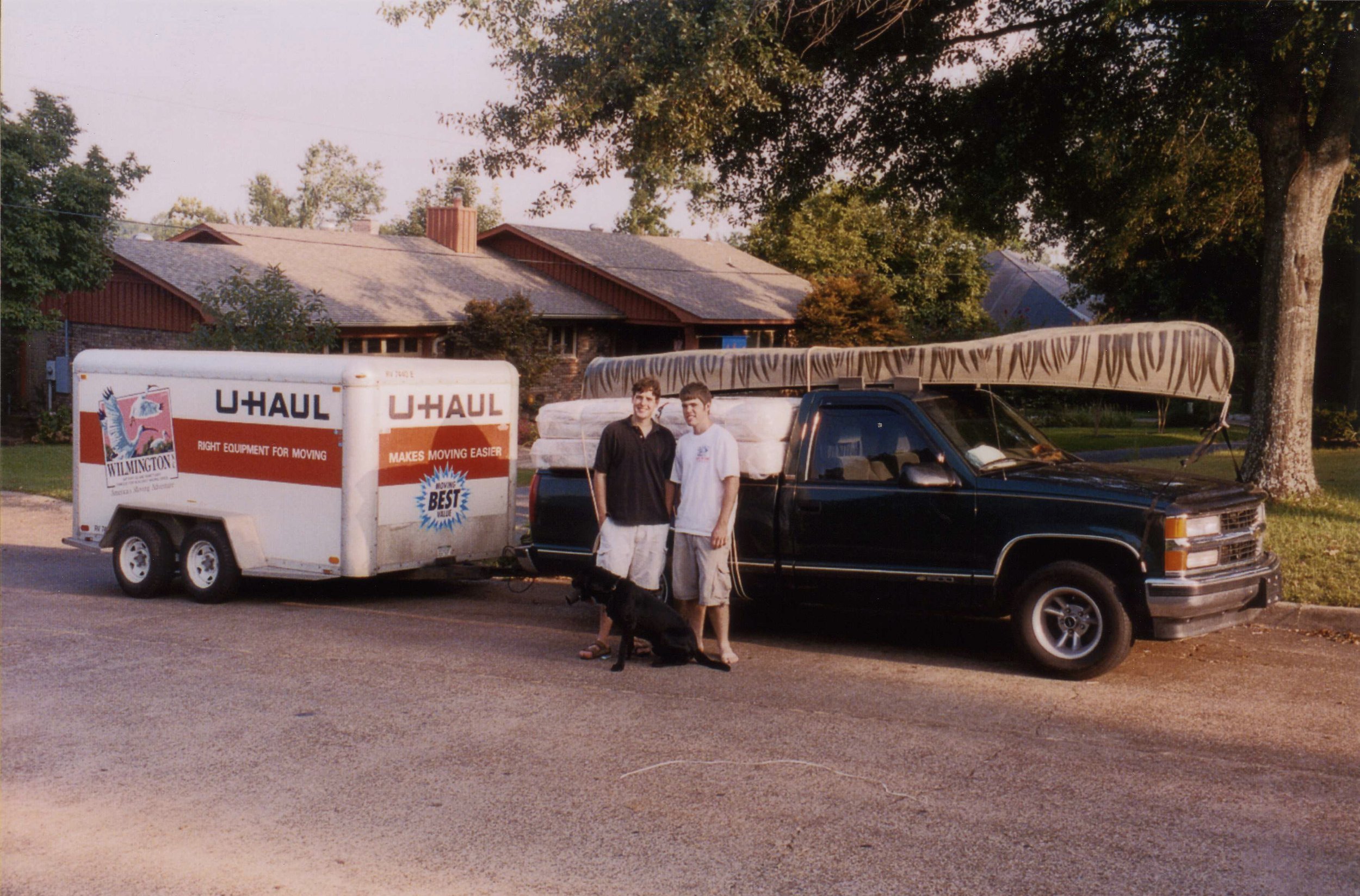
Be especially careful in rear-wheel-drive vehicles. Years ago, I used to park my old Chevy pickup during snow, and had to be very careful driving to law school to avoid sliding on wet leaves.
Tom & Jerry jack-o-lanternMany of you will probably be trick-or-treating with loved ones tonight. Be sure and stay safe by following these tips from the CDC:
Swords, knives, and similar costume accessories should be short, soft, and flexible.
Avoid trick-or-treating alone. Walk in groups or with a trusted adult.
Fasten reflective tape to costumes and bags to help drivers see you.
Examine all treats for choking hazards and tampering before eating them. Limit the amount of treats you eat.
Hold a flashlight while trick-or-treating to help you see and others see you. Always WALK and don't run from house to house.
Always test make-up in a small area first. Remove it before bedtime to prevent possible skin and eye irritation.
Look both ways before crossing the street. Use established crosswalks wherever possible.
Lower your risk for serious eye injury by not wearing decorative contact lenses.
Only walk on sidewalks whenever possible, or on the far edge of the road facing traffic to stay safe.
Wear well-fitting masks, costumes, and shoes to avoid blocked vision, trips, and falls.
Eat only factory-wrapped treats. Avoid eating homemade treats made by strangers.
Enter homes only if you're with a trusted adult.
Never walk near lit candles or luminaries. Be sure to wear flame-resistant costumes.Provide healthier treats for trick-or-treaters such as low-calorie treats and drinks. For party guests, offer a variety of fruits, vegetables, and cheeses.
Use party games and trick-or-treat time as an opportunity for kids to get their daily dose of 60 minutes of physical activity.
Be sure walking areas and stairs are well-lit and free of obstacles that could result in falls.
Keep candle-lit jack-o'lanterns and luminaries away from doorsteps, walkways, landings, and curtains. Place them on sturdy tables, keep them out of the reach of pets and small children, and never leave them unattended.
Remind drivers to watch out for trick-or-treaters and to drive safely.
The Chaney Law Firm endorses volunteerism and is proud to celebrate the efforts of attorneys Hilary Chaney and Taylor Chaney. Hilary serves as the scholarship committee chair on the Single Parent Scholarship Fund of Clark County. This fund awards scholarships to qualifying single parents who are pursuing a college education while raising children. The fund awarded over $8000 in scholarships to Clark County single parents for the Fall 2011 semester. Contact Hilary for more information on applying, donating to the fund, or becoming a board member.
Hilary is also training to become a volunteer for the Arkansas Judges and Lawyers Assistance Program. ARJLAP provides confidential counseling for judges and attorneys facing difficulties associated with mental illness, drug or alcohol abuse, anxiety, burnout or the like. It is a much needed assistance program for our fellow professionals and Hilary is proud to serve as a volunteer.
Taylor is a member of the fourth class of Leadership Clark County, which "is a program designed to encourage local leadership and to create a networked group of emerging leaders who share a common commitment to the growth Clark County." Past classes have planned and executed class projects, including Rally on the Ravine, a Boys and Girls Club, and a local jobs website. Last year, Nathan was a member of Class III, which is assisting with this year's Rally on the Ravine and is planning a farmer's market.
Chaney Law Firm: Committed to clients and community.
State Farm recently made the news for getting caught buying justice in Illinois. The insurer paid millions to a judge's campaign in order to get a billion-dollar verdict against it reversed.
In 1999, State Farm lost a $1,056,180,000 verdict (yes, that's a billion dollars) for repairing insured vehicles with cheaper, aftermarket parts instead of OEM parts.
State Farm appealed to the Appellate Court of Illinois and lost in 2001. The insurer then appealed to the Supreme Court of Illinois in 2002. While this appeal was pending, the insurer campaigned for and donated money to the Republican candidate in a race for the Supreme Court of Illinois, the very court that would decide State Farm's appeal. The candidate backed by State Farm ultimately won the election, which was the most expensive state supreme court race in U.S. history. The judge, with State Farm's help, raised $9.3 million for the race.
When the policyholders who won the verdict objected to this judge deciding the appeal, State Farm told the court it had only donated $350,000 to the judge's campaign. The judge refused to sit the case out and allow it to be decided by impartial judges. Instead, the judge cast the deciding vote to overturn the verdict against State Farm, which occurred in 2005.
Years later, a former FBI agent discovered that State Farm lied when it said it only donated $350,000 to the judge's campaign. State Farm actually donated between $2.4 and $4 million to the campaign. So, State Farm provided between 26% and 43% of the campaign's total budget, yet lied to the Supreme Court of Illinois by saying it made a routine donation amounting to just 4% of the total campaign budget.
Recently, attorney and former Republican senator from Tennessee Fred Thompson (among others) filed a class action lawsuit to reinstate the $1 billion verdict against State Farm.
At the very least, the Supreme Court of Illinois should acknowledge its mistake and reconsider the tainted judgment. It will be interesting to see what becomes of State Farm and the Illinois Supreme Court judge. One would think that punitive damages in the class action, as well as criminal prosecution and hefty fines for perjury and bribing a judge, might deter State Farm from lying the a state's highest court in the future. As for the judge, a criminal sentence for obstruction of justice would seem to be in order.
The information on this website is for general information purposes only. Nothing on this or associated pages, documents, comments, answers, emails, or other communications should be taken as legal advice for any individual case or situation. This information on this website is not intended to create, and receipt or viewing of this information does not constitute, an attorney-client relationship.